When a garage door cable came off its drum, the door may hang crooked, stop moving, or become unsafe. The cable works with the spring system to lift and lower the door. Keep people and vehicles away, leave the opener off, and arrange a professional inspection before anyone tries to move the door.
A cable problem can feel urgent, especially when a vehicle is trapped or the garage will not close. The safest choice is to leave the door where it is and keep others clear. This guide explains what may have happened, what you can check from a safe distance, and when a technician should take over. Sikeston Garage Door Repair helps property owners understand cable and spring concerns and choose a safe next step.
Table of Contents
- What happens when a garage door cable comes off the drum?
- Why does a garage door cable come off the drum?
- What causes a garage door cable to snap?
- Is it safe to use a garage door with a cable off the drum?
- What should you do when a garage door cable comes off?
- How do technicians repair a cable that has come off the drum?
- How can you help prevent garage door cables from coming off?
- Key takeaways
- Conclusion
- Frequently Asked Questions
What happens when a garage door cable comes off the drum?
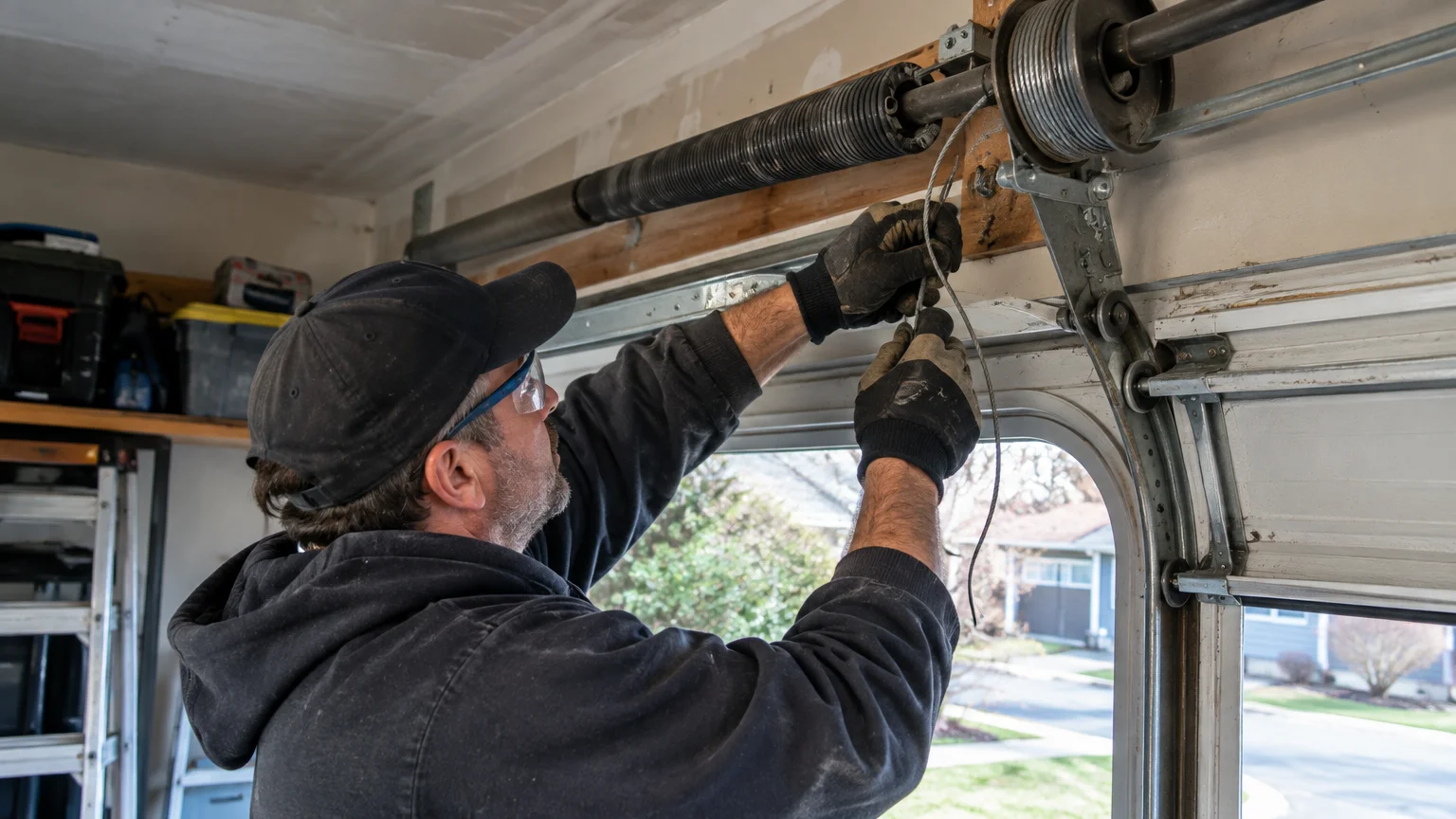
When a lift cable slips off its drum, one side of the door may lose support. The door might lean, bind in its tracks, or stop partway. A cable may look loose or hang beside the door. The spring system can still hold force, so do not touch the cable or nearby parts.
How do the lift cable and drum work together?
A lift cable is a strong metal wire that helps raise and lower the door. Each cable joins near the bottom of the door and winds around a grooved drum near the top. The drums turn as the door moves, while the spring system helps carry the door’s weight.
When both sides work well, the door moves evenly. If one cable slips, breaks, or loses tension, both sides may no longer move together. The door can look crooked even when the track seems straight. The best garage door system still needs its cables, drums, springs, and tracks to work together.
Why may the door hang crooked or stop moving?
The door may sag on the side with the loose cable. It may also jam against a track, leaving the opener unable to move it. A crooked door is a sign to stop using it, not a reason to pull it level by hand.
A cable off the drum can point to a larger issue with a spring, drum, track, roller, or door balance. The visible cable may be only one part of the problem. Sikeston Garage Door Repair can inspect the full lifting system for property owners, instead of treating the loose cable as the only fault.
Why does a garage door cable come off the drum?
A cable often comes off when the door does not rise evenly or when another part no longer guides it well. A worn roller, an object in the way, uneven spring tension, or a damaged track can affect door movement. The cable alone may not show the exact cause.
How can spring tension, worn parts, or an obstruction cause trouble?
The springs help balance the door’s weight. Spring tension means the stored force that helps the door move. If a spring weakens or breaks, one side may lift differently from the other. A worn drum or damaged cable can also stop the cable from winding along its usual path.
An object in the door’s path may stop it from closing evenly. Dirt or damage near a roller can also affect smooth movement. From a safe place, a homeowner can look for an obvious object in the way. Do not move a stuck door to test it, and do not reach near its parts.
Can a loose or damaged track play a part?
Yes. A bent track, loose support, or roller that has left its track can make the door shift as it moves. That shift may pull a cable away from its drum. Tracks guide the rollers; they are not meant to hold a door that hangs out of line.
You can look for visible damage without touching the door or its parts. If a track looks bent or a roller is out of place, leave the opener off. Garage Door Off Track Repair may be needed along with cable work. Fixing only the cable may leave the cause in place.
What causes a garage door cable to snap?
A cable can snap after wear, rust, fraying, or damage from uneven door movement. Cables work under load each time the door opens and closes. A cable that looks worn needs a technician’s check before it breaks and leaves one side of the door without support.
How do corrosion, fraying, and wear affect a cable?
Metal strands can weaken over time, especially when a cable gets wet or rubs against another part. Fraying means that some of the small wires in the cable have broken or started to come apart. Rust, bends, and flat spots can also point to damage.
These signs are reasons to arrange an inspection, not to handle the cable. Even a cable that looks slack may still be under force. Do not pull it, cut it, clean it, or try to wind it back onto the drum. A technician can check its condition without putting you near the danger.
Can a broken spring overload the cables?
A broken spring can change how the door’s weight is held. The cable and drum system may then face uneven strain, especially if someone keeps trying to run the door. A broken spring may be hard to see, so a technician checks the springs and cables together.
Torsion and extension springs can both hold dangerous force. Spring and cable repairs are not safe do-it-yourself work. Heavy parts can move suddenly and cause serious harm or damage. A trained technician with the right tools can check the whole system and decide what needs repair.
Is it safe to use a garage door with a cable off the drum?
No. Do not use a door with a cable off the drum until it has been checked and repaired. The door may fall, lean farther, or jam without warning. Keep children, pets, visitors, and vehicles away from the opening and the door’s path.
What risks does a damaged cable create?
The door is heavy, and a damaged lifting system may not hold it evenly. The door can shift in its tracks or drop while someone is close by. It may also damage a vehicle, stored items, the opener, or other door parts if it moves in an unsafe way.
A crooked door can leave a gap that affects home security. If the garage is open, do not stand below the door or try to hold it with an object. Keep the area clear and arrange help from a garage door repair professional. A sound garage door seal cannot make an unsafe, crooked door safe to use.
Why should the opener not run, and why should the door not be forced?
Running the opener can add strain to a cable, spring, track, or motor that is already under stress. Forcing the door by hand can make it shift or fall. Do not press the opener button to see if the door works, even if it looks nearly closed.
Do not loosen brackets, remove cables, or adjust a spring. Bottom brackets and lift cables can be under high tension. If the door blocks a vehicle, do not try to free it yourself. Tell the technician what is trapped and ask what to do before anyone attempts to move the door.
What should you do when a garage door cable comes off?
Stop using the door, keep people clear, and contact a qualified technician. From a safe place, you can note what the door looks like, but do not touch the cable, drum, spring, or bottom bracket. These steps can help reduce risk while you arrange a repair.
What can a homeowner safely check while waiting?
The safest checks are visual only. Do not stand below the door, step over a cable, or reach into the track. Leave the opener switch alone and keep others from using the door. If the opening is exposed, keep the area clear without putting anything under the door.
You can note whether the door is open, closed, or partway open. Also remember any loud sound, recent uneven movement, or visible damage. Do not clean a cable, move a roller, or pull the door straight. Sikeston Garage Door Repair can use these details to understand the problem before arriving.
What should you tell the technician?
Share what changed and when you first noticed the problem. Say whether the door was moving, whether anyone used the opener afterward, and whether a vehicle is trapped. From a safe place, point out visible cable damage or a crooked door without touching anything.
Tell the technician if the door also seems stuck in its track. Garage Door Cable Repair may address the cable and check why it slipped. Clear details help the technician plan an inspection, but they do not replace a full check of the door and lifting system.
How do technicians repair a cable that has come off the drum?
A technician first checks why the cable came off and whether other parts are damaged. The work may include checking cables, drums, springs, tracks, rollers, and door balance. The right repair depends on the cause, so putting the cable back in place may not be enough.
What parts are checked during an inspection?
The technician looks for fraying, rust, bends, and other cable damage. They also check whether the drum is worn or out of line and whether the spring system supports the door evenly. Tracks, rollers, brackets, and the door itself may need attention too.
Door balance means how evenly the spring system helps support the door as it moves. If the door is out of balance, a reset or new cable may slip again. A full inspection can find the cause and show whether other repairs are needed before the door is used.
How is the cable reset or replaced safely?
The technician uses proper tools and training to manage force in the lifting system. The work may mean resetting or replacing a cable, fixing a drum or track issue, or dealing with a spring problem. These are not steps for a homeowner to copy.
After the repair, the technician checks the door’s movement and related parts. The goal is for the door to travel smoothly and stay supported. If the opener or track was also affected, Garage Door Opener Repair or Garage Door Off Track Repair may also be needed.
How can you help prevent garage door cables from coming off?
You can help by noticing changes early and keeping the door’s path clear. Routine professional checks can find worn cables, damaged rollers, or uneven movement before the door stops working. A visual check is useful, but it cannot prove that a cable or spring is safe to handle.
What warning signs should homeowners watch for?
Pay attention to changes in how the door moves or sounds. Stop using it if it starts to lean, jerk, scrape, or leave a cable hanging loose. A damaged-looking spring or a roller out of place also needs professional attention.
Other warning signs include visible rust, fraying, or a door that no longer rests evenly. These signs do not always show the cause. Do not wait for a cable to snap before arranging a check. Never try to adjust a spring or repair a cable yourself.
Why do routine inspections matter?
A trained technician can check parts that are hard to assess from the floor. They can look at cable condition, spring response, drum alignment, and how the door travels. Garage Door Maintenance can help find wear and address small concerns before the door becomes stuck.
You can safely keep the door’s path clear and watch for new sounds or uneven movement. Leave parts under tension to a professional. For people in Sikeston and nearby communities, an inspection can help address concerns before the door becomes stuck or unsafe. Residents in Browns, Miner, Morehouse, Vanduser, Charleston, and East Prairie can also watch for these warning signs. In Sikeston, keeping the garage door path clear is a useful safety habit.
Key takeaways
- Keep people and vehicles away from a door with a loose cable.
- Do not run the opener or try to move the door by hand.
- Look for visible problems only, from a safe distance.
- Cables, springs, drums, and tracks may need a full inspection.
Conclusion
A cable that comes off its drum can leave a garage door crooked, stuck, or unsafe. The cause may be a worn cable, broken spring, damaged track, or another part of the lifting system. Do not run the opener, force the door, or try to reset the cable yourself. Keep people clear and tell a technician what happened.
Prompt help can protect people and property and help restore safe door movement. For urgent help with a cable problem, Contact us today at Sikeston Garage Door Repair.
Frequently Asked Questions
Can a garage door cable come off because of a broken spring?
Yes. A broken spring can make the door lift unevenly and put extra strain on its cables. The cable may then slip from its drum or become damaged. Since springs and cables can hold dangerous force, leave the door unused until a technician checks the full lifting system.
Can someone put a garage door cable back on the drum?
A homeowner should not try to put a cable back on the drum. The cable may be under tension, and the door may shift or fall during handling. A technician can manage the spring force, check for damage, and find why the cable came off.
Should the garage door opener be used if a cable is loose?
No. Using the opener can strain the door, cable, spring, or motor and may make the problem worse. Leave the opener off and do not force the door by hand. Keep people and vehicles away until a technician checks and repairs the lifting system.
Is a crooked garage door a sign of a cable problem?
It can be. A loose, broken, or off-track cable may leave one side of the door lower. A damaged roller, track, or spring can also cause uneven movement. Since these problems can overlap, a technician should inspect the door before anyone tries to move it.
What should someone tell a garage door technician?
Describe the door’s position and when the issue began. Mention any sudden sound, uneven movement, visible cable damage, or vehicle trapped inside. Do not touch or adjust parts to get a closer look. These details can help the technician prepare for a safe inspection.
If the cause is unclear, the Get in touch page and Sikeston Garage Door Repair provide the site’s contact information.
If you are not sure what you are dealing with, it is worth having someone look at it before it turns into a bigger job. Get in touch with Sikeston Garage Door Repair today and we will tell you where you stand.